ComicCollege Font Embroidery Design
First Impressions: A Playful and Versatile Embroidery Font
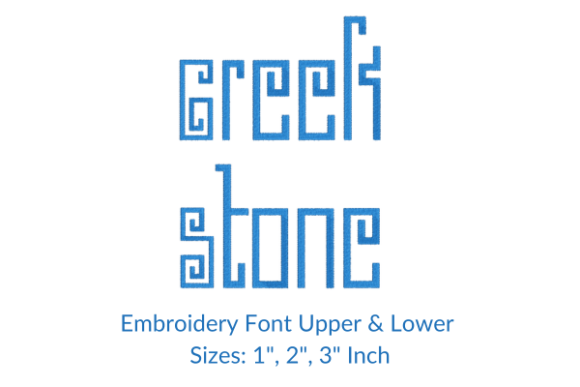
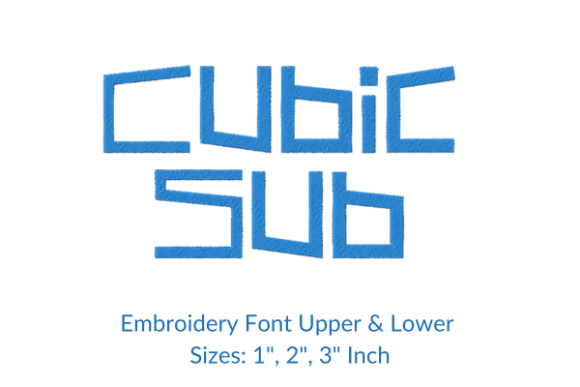
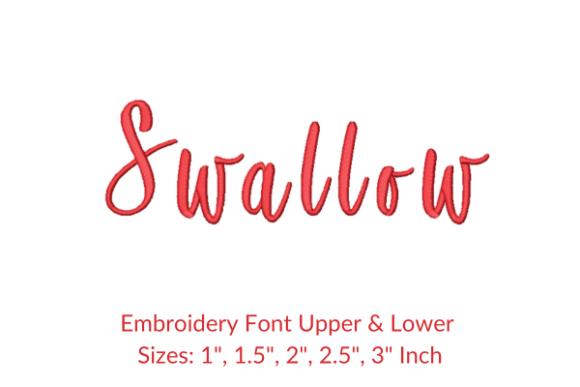
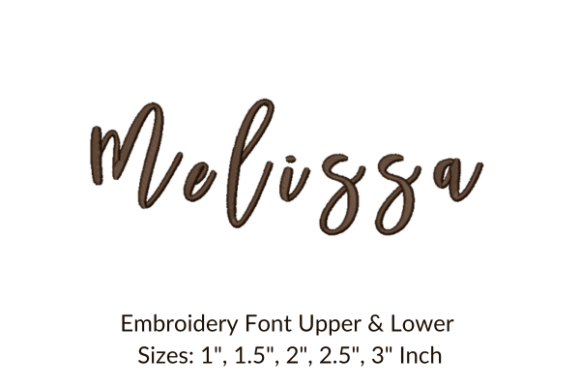
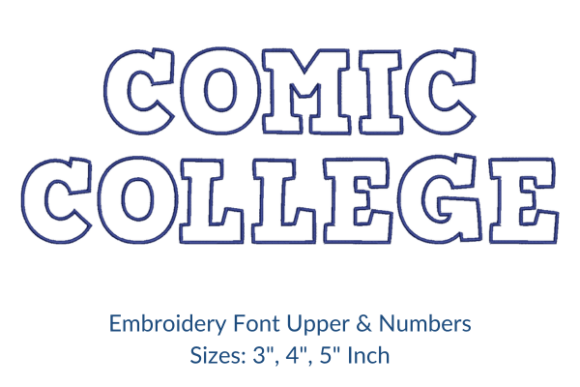
The first thing that catches my eye about ComicCollege Font Embroidery Design is its playful yet approachable visual personality. It feels like a font that could easily transition from a school project to a boutique apparel piece. The lettering has a light, stylized feel with subtle curves and a slightly whimsical edge. It’s not too bold or too minimal, making it versatile for a wide range of applications.
ComicCollege Font Embroidery Design offers a good balance between detail and simplicity. Each letter is clearly defined, with enough stitching to convey character without overwhelming the fabric. The design feels premium in quality, suggesting it’s suitable for both handmade products and commercial embroidery. Whether I’m envisioning a cute hoodie or a trendy tote bag, this font seems like a strong contender.
Sweatshirt Embroidery: A Perfect Fit for Casual Wear
When testing ComicCollege Font Embroidery Design on neutral sweatshirts, the results are promising. The font looks clean and modern, especially on light-colored fabrics. The stitch density is well-balanced, ensuring the letters remain legible without being too dense or sparse. This makes it ideal for custom apparel such as hoodies and sweatshirts, where the design needs to stand out but still feel comfortable and wearable.
I particularly like how ComicCollege Font Embroidery Design performs on pastel hoodies. The soft colors complement the font’s playful nature, creating a youthful and stylish look. For darker garments, the thread color contrast becomes even more important. Choosing a bright or contrasting thread can make the design pop, which is essential for visibility and aesthetic appeal.
Hoodie Design: Chest Placement and Sleeve Accents
Placing ComicCollege Font Embroidery Design on the chest of a hoodie works well, especially for small to medium-sized text. The font’s structure allows for easy scaling, and the stitching remains clear even when reduced in size. However, I would recommend testing on scrap fabric first to ensure the design maintains its clarity and doesn’t stretch or distort during the embroidery process.
For sleeve accents, the font’s lighter weight and rounded edges make it a great choice. It adds a subtle touch of personality without overpowering the garment. This is perfect for boutique brands looking to add a unique flair to their product line while keeping the overall design cohesive.
T-Shirt Embroidery and Tote Bag Design
ComicCollege Font Embroidery Design is equally effective on t-shirts and tote bags. On t-shirts, the font looks fresh and modern, especially when paired with solid-colored fabrics. The design holds up well against fabric texture, and the stitching remains sharp and defined. This makes it an excellent option for Etsy sellers and small shop owners who want to offer personalized items.
On tote bags, the font’s larger scale and bold strokes work well, adding a decorative element without being too intrusive. It’s a great way to create branded merchandise that stands out on social media and in online listings. The design also lends itself well to printable mockups, helping creators visualize how the final product will look before production.
Commercial Embroidery and Brand Identity
For commercial embroidery, ComicCollege Font Embroidery Design offers a reliable and consistent look. Its versatility means it can be used across multiple product types, from seasonal outfits to lifestyle accessories. This is especially valuable for boutique brands aiming to maintain visual consistency across their collections.
From a brand identity perspective, the font’s playful tone aligns well with casual and youthful aesthetics. It can help build buyer trust by offering a recognizable and professional-looking design. When used consistently across product listings and social media graphics, it enhances product recognition and customer engagement.
Practical Notes for Embroidery Designers
Before using ComicCollege Font Embroidery Design, it’s important to test it on scrap fabric. This helps identify any potential issues with stitch density, thread color contrast, and stabilizer choice. Checking the hoop size and fabric texture is also crucial, as certain materials like fleece or ribbed fabric may require additional support.
When working with dark garments, consider using a contrasting thread color to ensure the design remains visible. Also, be mindful of areas that may stretch or wrinkle, such as curved surfaces or tiny lettering. Testing placement options on similar garment fabric can help avoid unexpected results during production.
Finally, always review the Creative Fabrica product details and licensing terms before selling finished apparel. Ensuring compliance with commercial use guidelines is essential for maintaining a professional and ethical business practice.